Thinking about buying a historic home in Mt. Lebanon? You are not alone. For many buyers, these homes offer the charm, craftsmanship, and long-term appeal that newer construction can struggle to match, but they also come with questions about upkeep, permits, and what “historic” really means. This guide will help you understand what to expect, what to inspect, and how to budget wisely so you can move forward with confidence. Let’s dive in.
Why Mt. Lebanon Appeals to Historic-Home Buyers
Mt. Lebanon has deep roots as a streetcar-era community that later grew into an automobile suburb, and much of that original neighborhood character remains intact today. That is a big reason buyers are drawn here if they want a home with architectural detail and a sense of place.
The township’s National Register Historic District includes about 4,400 properties and was established in 2014. At the same time, Mt. Lebanon has a strong ownership culture, with a 72.3% owner-occupied housing rate and a median owner-occupied home value of $378,300 according to recent Census QuickFacts. In practical terms, many buyers here approach older homes as long-term investments in both lifestyle and property value.
What “Historic” Really Means
One of the biggest misconceptions is that a historic designation means you cannot change anything. In Mt. Lebanon, that is not automatically the case.
National Register listing by itself does not place federal restrictions or requirements on a private owner. What does matter is local oversight. Mt. Lebanon requires permits before construction, alteration, replacement, or repair of an existing structure, including work like window replacement, additions, and certain roof repairs.
That distinction matters when you are house hunting. A home can be historically significant without being frozen in time, but you still need to understand the township’s permit process before planning updates.
Common Home Styles in Mt. Lebanon
One of the most appealing parts of buying in Mt. Lebanon is the variety. You are not looking at a one-style market. Instead, you will find homes from several eras, often grouped in visually cohesive neighborhoods.
Early 1900s Streetcar Homes
Homes from the early 1900s often include American Foursquare designs built mainly between 1905 and 1915. These homes typically feature square forms, hipped or pyramidal roofs, large front porches, and double-hung windows.
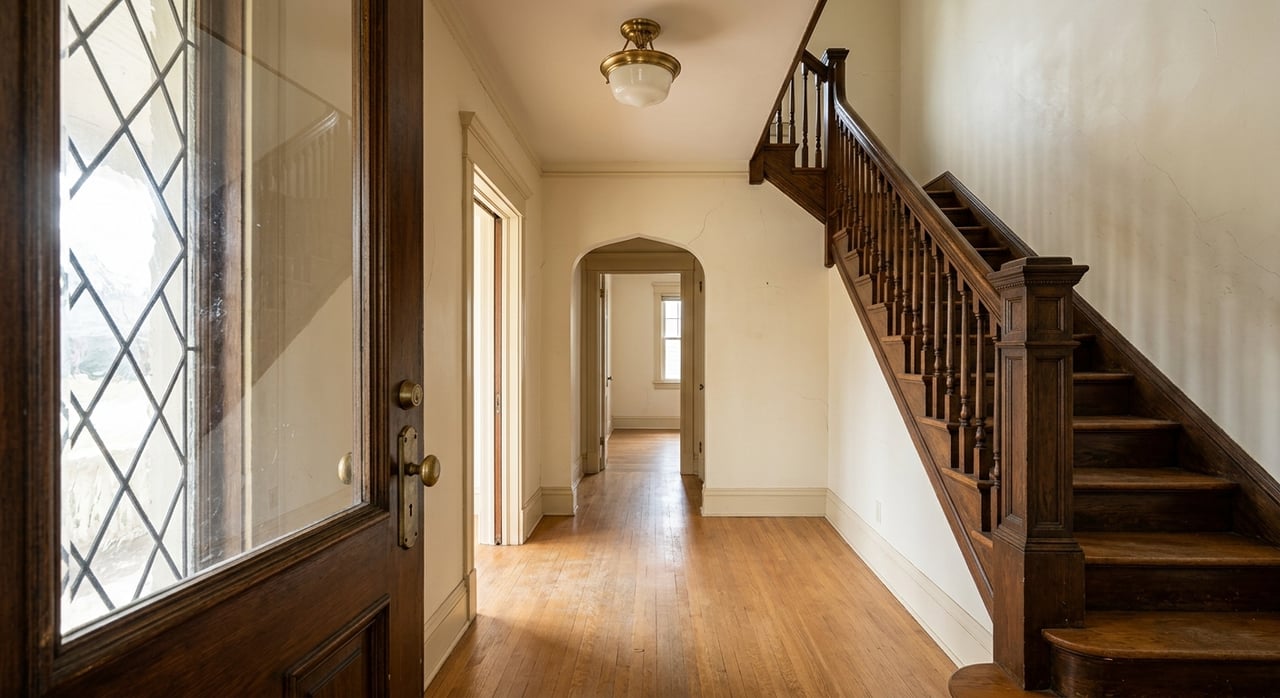
If you love original trim, deep porches, and practical layouts, these are often the homes that catch your eye first. They can also require thoughtful updates because many original materials are still in place.
1920s and 1930s Character Homes
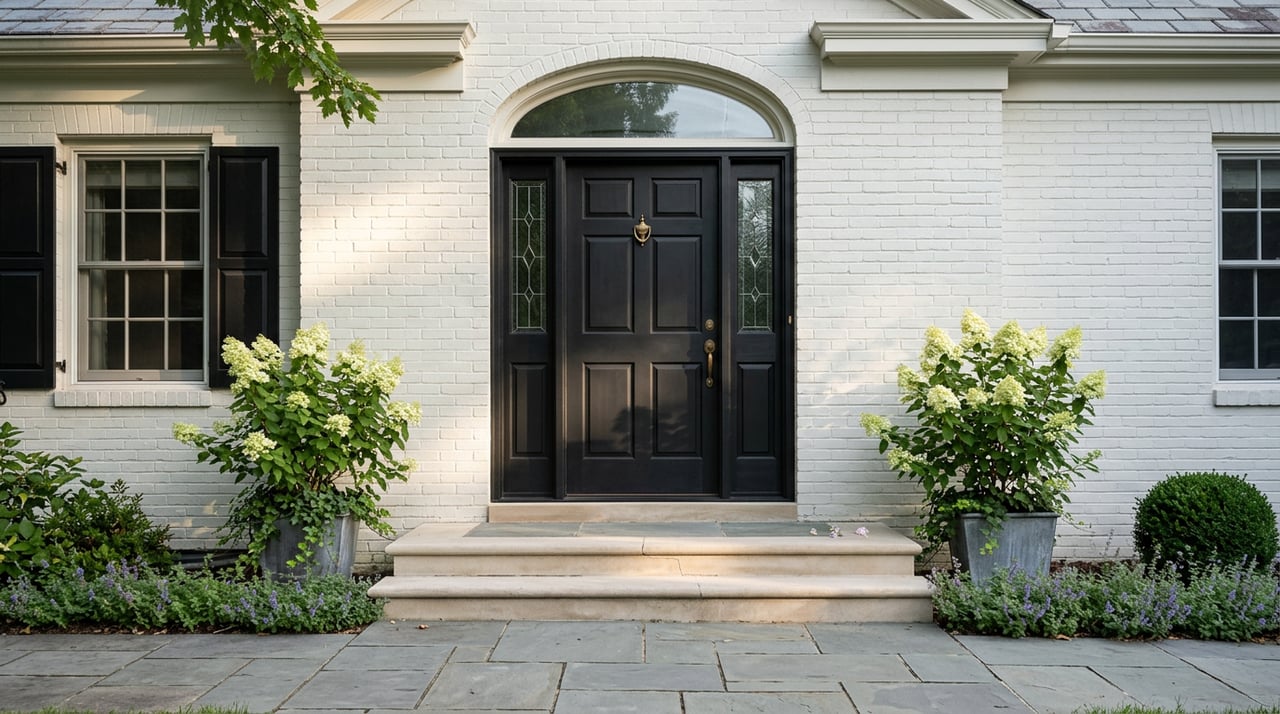
In planned neighborhoods such as Mission Hills and Virginia Manor, buyers are more likely to see Tudor, Colonial Revival, Dutch Colonial, and Bungalow or Craftsman styles. These areas were developed with strong controls over house form and materials, which helps explain their consistent look and feel.
You may also see custom details like brick or stone exteriors, slate or tile roofs, prominent chimneys, and detailed porches. These are beautiful features, but they can also affect maintenance costs and repair decisions.
Postwar Ranch and Split-Level Homes
Not every older home in Mt. Lebanon is prewar. The township also includes notable collections of Minimal Traditional, Ranch, and Split-Level homes, especially in places like Cedarhurst Manor and Carleton Manor.
These homes often appeal to buyers who want an older neighborhood setting with a simpler footprint or a more mid-century layout. They may not feel “historic” in the same way as a Tudor or Colonial Revival, but they are still part of Mt. Lebanon’s architectural story.
What to Inspect Before You Buy
When you buy an older home, cosmetic updates should never be your first focus. Start with the parts of the house that protect it and keep it functioning well.
Roof Condition Matters More Than Age
In Mt. Lebanon, slate and tile roofs are common on older homes. These materials can last a very long time. Historic slate roofs, for example, may last roughly 60 to 125 years or longer.
That means an older roof is not automatically a bad roof. What matters more is whether it is still serviceable, whether repairs were done properly, and whether replacement materials match the original roof where needed.
Windows Should Be Evaluated Carefully
Historic wood windows are often a major part of a home’s character. In Mt. Lebanon, windows are specifically identified as features worth preserving or restoring.
Before assuming windows need full replacement, it is worth finding out whether they can be repaired. That can matter both for the look of the house and for how future improvement plans align with the home’s original design.
Masonry and Chimneys Need Attention
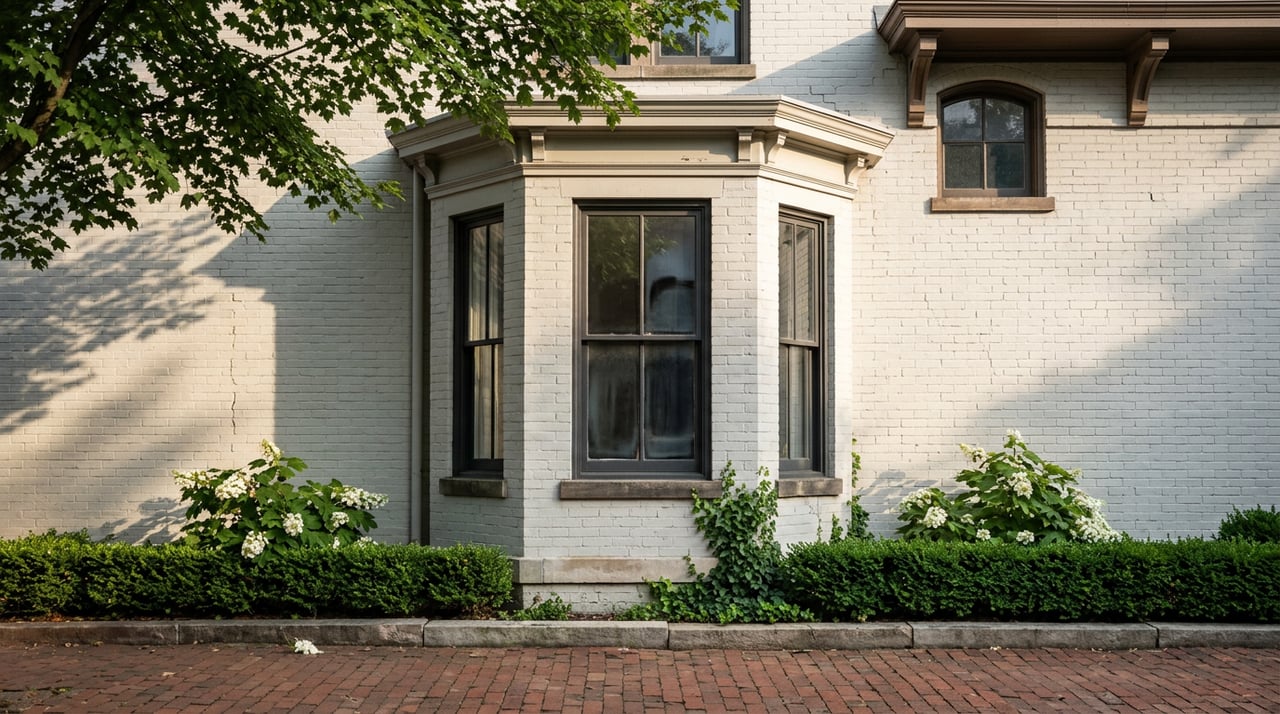
Brick and stone are common exterior materials in Mt. Lebanon. They add durability and charm, but they also need the right kind of maintenance.
Careless cleaning or improper repointing can damage masonry. If a home has an older chimney, brick facade, or stone exterior, it is wise to look closely at visible cracking, mortar condition, and signs of moisture intrusion.
Watch for Water and Hidden Damage
Older homes often tell you where problems exist if you know where to look. Staining, peeling paint, musty odors, and uneven surfaces can all point to past or ongoing moisture issues.
Because water can affect roofs, masonry, windows, porches, and interior finishes, it is often the issue that connects several repair needs at once. A careful inspection helps you understand whether you are looking at routine maintenance or a larger project.
Lead Safety Is a Real Consideration
If you are buying a pre-1978 home, lead-safe planning matters. Renovation, repair, or painting that disturbs older painted surfaces can create hazardous lead dust.
The risk is especially relevant in homes built before 1940, since the EPA reports that 87% of those homes have some lead-based paint. If you plan to renovate after closing, ask early about lead-safe contractor practices and likely containment needs.
Permits and Local Rules to Know
Mt. Lebanon is clear that you should not move forward with covered work without the proper permit. Residential permits are required before construction, alteration, replacement, or repair of an existing structure.
That can include additions, structural roof repairs, and window replacements. The township notes that residential permits are generally issued within 15 business days, while zoning permits are generally issued within 30 days. Some projects may also require a property survey.
For utility-related exterior changes, there can be added considerations. In the National Register district, gas meter relocation exceptions are handled case by case under Pennsylvania Public Utility Commission outside-meter rules.
How to Budget for a Historic Home
A smart budget for an older home starts with preservation, not cosmetics. In other words, focus first on what keeps the home dry, stable, and safe before moving to finishes and design updates.
Start With the House Itself
Your first dollars should usually go toward the building envelope and core systems. That includes roofs, masonry, windows, porches, chimneys, and essential mechanical, electrical, and plumbing updates.
Sensitive upgrades to systems can be appropriate as long as they do not damage the home’s historic character. That balance is important if you want modern function without losing the details that made you fall in love with the house.
Expect Specialty Labor Costs
Historic-home work often costs more than standard replacement work. Repairs involving slate roofs, masonry repointing, wood-window restoration, lead-safe containment, or custom millwork usually require specialized methods and matching materials.
That does not mean every old home becomes a major project. It does mean you should build in room for skilled labor and unexpected findings, especially during your first few years of ownership.
Do Not Count on a Federal Tax Credit
Many buyers ask whether a historic-home purchase comes with a federal rehabilitation tax credit. For an owner-occupied home, you should not assume it does.
The 20% federal historic rehabilitation tax credit is generally for certified historic structures used for income-producing purposes. Owner-occupied residential properties do not qualify based on the guidance in the research provided.
How to Vet Contractors for Older Homes
The right contractor can make a huge difference in both cost control and final results. For historic or architecturally detailed homes, experience matters.
Mt. Lebanon’s contractor guidance recommends asking about:
- Licensing
- Workers’ compensation and liability insurance
- References
- Permit handling
- Communication practices
- Lead-paint certification
- Historic-renovation experience
- Itemized costs
- Project schedule
- Hazardous-material handling
If a contractor treats original materials as disposable by default, that is worth pausing on. In many older Mt. Lebanon homes, repair and compatible replacement are often better long-term strategies than wholesale removal.
A Smart Buying Strategy in Mt. Lebanon
If you are considering a historic home in Mt. Lebanon, the goal is not to avoid older properties. The goal is to understand them clearly.
Style variety is normal here, and that is part of the appeal. The key is to look beyond surface charm and understand how the roof, windows, masonry, permits, and future project costs fit into your overall budget and plans.
With the right due diligence, a historic home can offer something hard to replicate: architectural character, a strong neighborhood setting, and a house that feels connected to Mt. Lebanon’s story. If you want help evaluating older homes in the South Hills and building a strategy that fits your goals, connect with the Lauren Coulter & Dina Castillo Group.
FAQs
What does a historic designation mean for a Mt. Lebanon home?
- A National Register listing does not by itself place federal restrictions on a private owner, but local permits still govern many types of exterior and structural work in Mt. Lebanon.
What home styles are common in historic areas of Mt. Lebanon?
- Buyers commonly see Foursquare, Tudor, Colonial Revival, Dutch Colonial, Bungalow, Minimal Traditional, Ranch, and Split-Level homes depending on the neighborhood and era of development.
What should buyers inspect first in an older Mt. Lebanon house?
- Focus first on the roof, windows, masonry, chimneys, signs of water intrusion, and any potential lead-related renovation concerns.
Do Mt. Lebanon buyers need permits for updates to older homes?
- Yes. The township says permits are required before many types of construction, alteration, replacement, or repair work, including some window and roof projects.
Do owner-occupied historic homes in Mt. Lebanon qualify for the federal rehab tax credit?
- Generally no. The federal historic rehabilitation tax credit is typically for certified historic structures used for income-producing purposes, not owner-occupied residential properties.